If you spend your day at a desk, in the car, or looking down at a phone, your posture is quietly paying for it. Pilates is one of the most effective, low impact ways to turn that around, because it strengthens the deep core and back muscles that hold you upright. Here is how it works and why it feels so good.
Why modern life works against your posture
Hours of sitting shorten some muscles and switch others off. The result is that familiar pattern of rounded shoulders, a forward tilting head, and a weak, under used core. Over time it can leave you feeling stiff, tired, and slouched no matter how often you try to sit up straight. Willpower alone will not fix posture, but strength will.
How Pilates targets the deep core
Pilates was built around the center of the body, often called the powerhouse. Instead of chasing surface level burn, it trains the deep stabilising muscles that wrap around your spine and pelvis. When those muscles are strong and awake, standing tall stops being effort and becomes your default. Pilates is widely recommended for improving core strength, posture, and flexibility (NHS guide to Pilates).
The role of the reformer
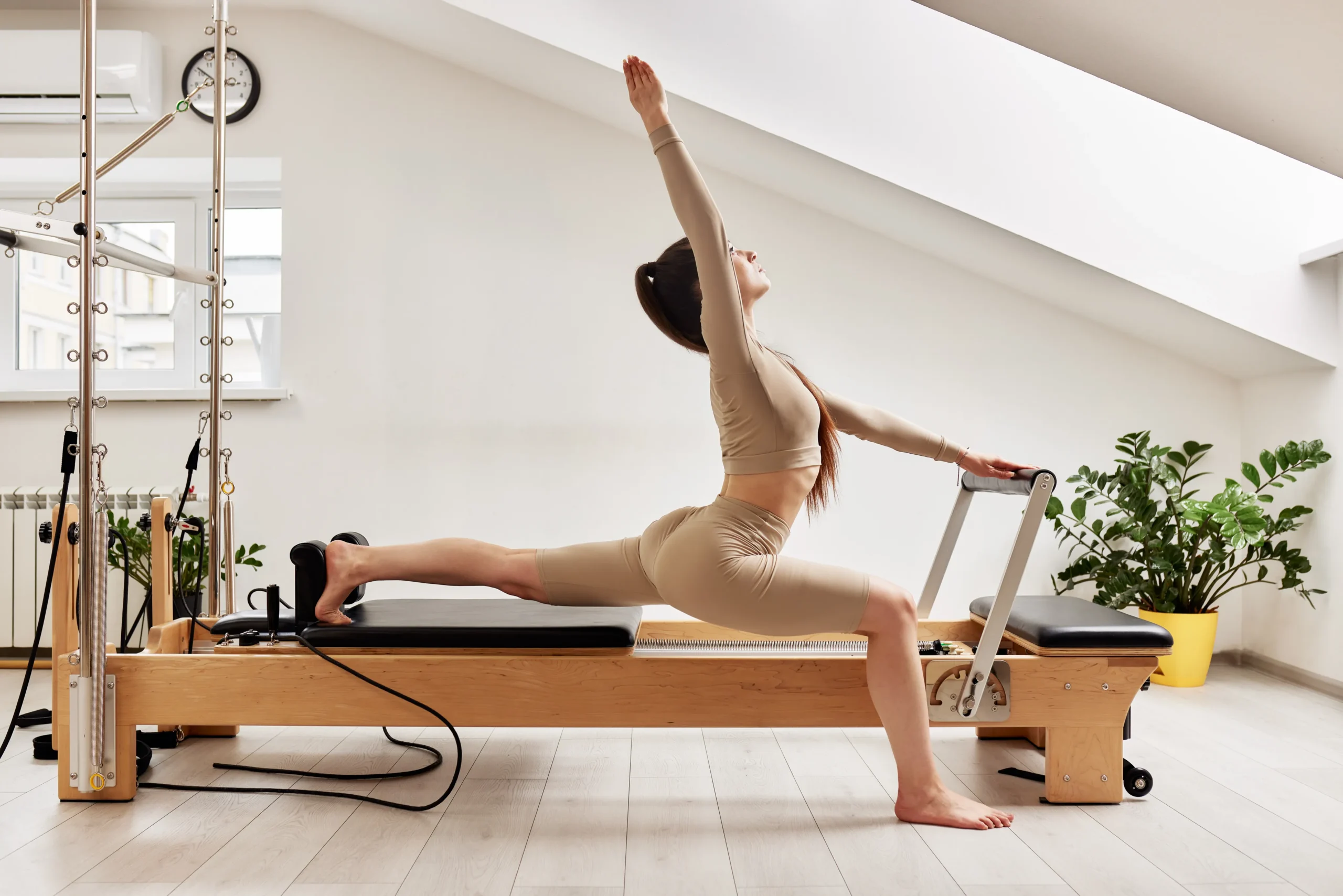
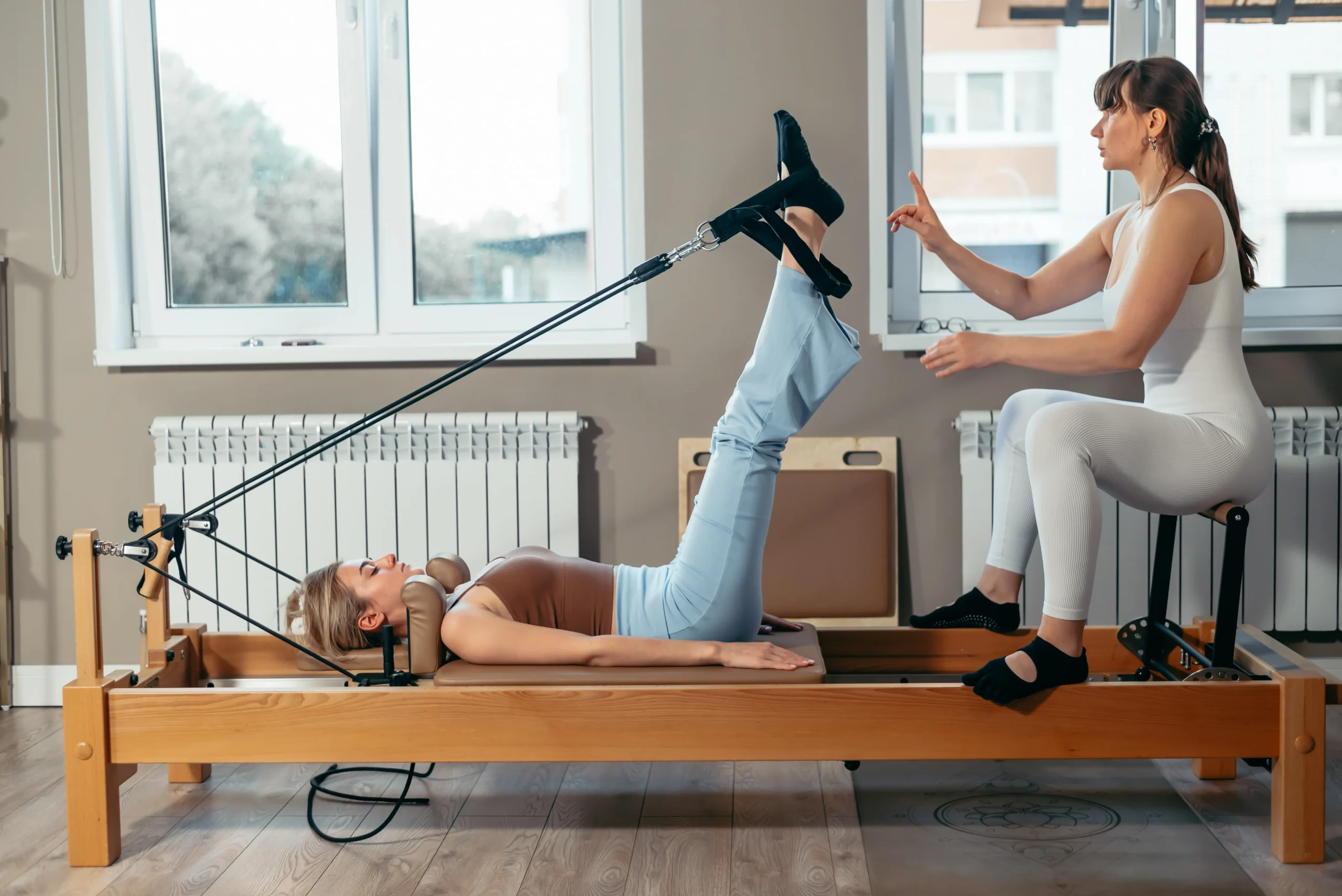
The reformer is especially good for posture work. Its springs give feedback and support that help you find and strengthen the right muscles, and many exercises open the chest and strengthen the upper back, the exact areas desk life tightens and weakens. See more on the benefits of reformer Pilates.
Simple ways Pilates helps you stand taller
- Strengthens the deep core that supports your spine
- Opens the chest and shoulders rounded forward by screens
- Builds the back and postural muscles that hold you upright
- Improves body awareness, so you catch yourself slouching
- Increases mobility in a stiff spine and hips
Why small classes matter for posture
Posture work is all about precision, and precision needs feedback. In a small boutique class the instructor can actually see your alignment and make hands on corrections, something impossible in a crowded gym class. That personal attention is why so many women choose our Henderson studio. Curious how often to practise? See how often you should do Pilates, then book your first class.
Frequently asked questions
Can Pilates improve bad posture?
Pilates strengthens the deep core and back muscles that support upright posture and improves body awareness, which together make a real, lasting difference for most people with consistent practice.
Is Pilates good for your core?
Yes. Core strength is the foundation of Pilates, and nearly every movement engages and trains your center.
Can Pilates help with desk related stiffness?
It can. Pilates opens tight areas like the chest, shoulders, hips, and spine while building the strength to hold better posture through the day.